
The design phase is when theoretical planning begins to develop into viable plans. We work closely with our client to determine the needs, wants, and top priorities for the project design. We collaborate effectively with our project team and subconsultants to create a suitable and viable plan for construction. Our attention to detail and our coordination with various permitting authorities allow us to consider special site factors and permit requirements in our overall construction documents. Our thorough design process allows us to streamline subsequent permitting and construction phases.

Our team of experienced engineers begins each new project with a conceptual site plan in order to create a visual of how the site can be efficiently developed. The conceptual design focuses on identifying applicable design criteria from local municipalities and utility companies and applying them to the site plan upfront. Additionally, we focus on elements specific to each project site and work to find design solutions that work with the natural topography and resources present. Oftentimes, the conceptual site plan is created to complement the feasibility study and is the basis for many design decisions further along in the process.
The site design phase is where we explore solutions to address any challenges uncovered during the due diligence and conceptual design phases. Our mission is to identify the site impacts, permitting characteristics, and zoning requirements and create a viable design that addresses all design criteria. Our team of highly trained engineers works alongside contractors, architects, and permitting agencies to troubleshoot when necessary.
The utility layout is a critical component of designing site infrastructure. Utilities such as water, sewer, gas, electric, etc. are vital for a site to function. The utility plan identifies both existing and required infrastructure to serve the development. This may be limited to single service connections or require public/private main extensions. The utility phase may need the addition of supporting professionals and a highly communicative team to work alongside other experts.
Though engineers by trade, at CBE, we use our creative minds to develop compliant landscape plans that meet municipal requirements. We focus on incorporating native species into our designs so that they complement the overall site design. In some of our larger projects, we’re fortunate enough to have several talented Landscape Architects that we partner with to create more intricate outdoor spaces.
The erosion and sediment control design is where we do all that we can to prevent unwanted erosion and hazardous runoff into nearby bodies of water. Both the size and scope of a project will define which erosion and sedimentation controls are necessary. The requirements may vary slightly depending on site location and the municipality guiding the design requirements. Our goal is to prevent sediment-laden runoff from leaving the site during and after construction.
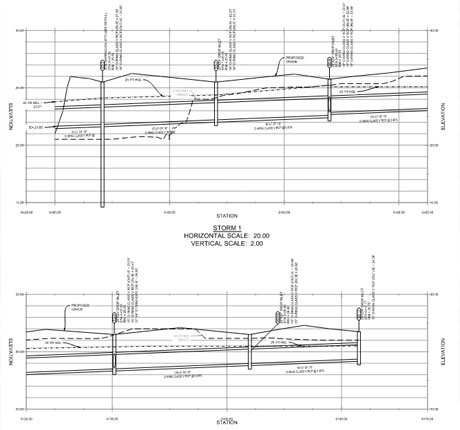
A key part of site design is the grading and drainage design, which ensures proper stormwater drainage and sensible topography. A good design must consider many aspects of a site, including existing topography, finished floor elevations, parking lot and road slopes, existing drainage issues, etc. Stormwater management networks are designed in accordance with municipality requirements and aim to limit the impact a new development has on the surrounding land.